


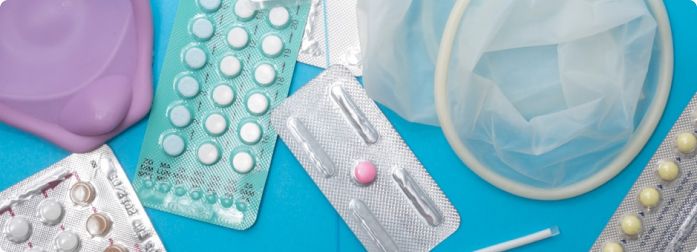
How do Hormonal Therapies Affect Fertility and My Need for Birth Control?
Hormonal therapy is a type of medicine often used after treatments like chemo, surgery or radiation. Its main goal is to decrease the chance of breast cancer coming back, new breast cancer in the other breast, or death related to breast cancer. These include tamoxifen, aromatase inhibitors, or AIs and GnRH agonists (such as Lupron and Goserelin).
Tamoxifen
- Blocks estrogen in breast tissue; usually taken for 5-10 years
- Can cause irregular, heavier or absent periods
- Does not damage the ovaries, so releasing an egg can still happen
- You should not get pregnant on tamoxifen for at least 2 months after stopping it
Reminder: Even if your period stops while taking tamoxifen, you may still be able to get pregnant.
Aromatase Inhibitors (AIs)
- Lower estrogen levels by blocking how estrogen is made in the body
- In people who haven’t gone through menopause, the ovaries still make estrogen
- AIs usually need to be combined with medicines that “turn off” the ovaries, called GnRH agonists
GnRH Agonists (e.g. Lupron, Goserelin)
- Temporarily turn off the ovaries
- When given regularly, they make pregnancy very unlikely - but not 100% impossible
- If you have no bleeding for 3 or more months and are still getting the medicine on schedule, the chance of pregnancy is very low