
Implant (Nexplanon)
A hormone-releasing implant inserted in the arm that works for up to 5 years and may lighten or stop periods.
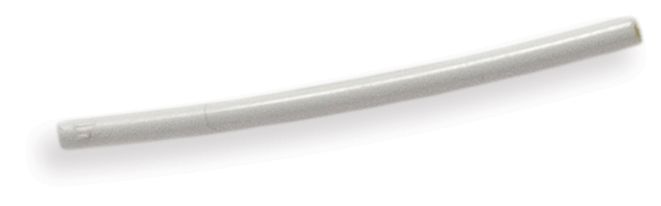
The implant (Nexplanon) is more than 99% effective. This means that fewer than 1 out of 100 implant users will get pregnant in a year.
The implant works for up to 5 years. After taking the implant out, you can put in a new implant right away if you want.
You really don't need to use another birth control method because the implant works so well to prevent pregnancy. But if you want that extra protection, you can use any other method you want with the implant.
Condoms are a great choice if you also want protection from HIV and sexually transmitted infections (STIs).
The implant makes the mucus of the cervix (the opening of the uterus) thick. This mucus "plug" blocks sperm from getting into the uterus. It can also stop an egg from being released (ovulation). The implant does not remove a pregnancy after it has nested into the uterus wall.
The implant is easy to take care of. Once the implant is placed, it works on its own.
A trained health care provider inserts the implant in the clinic. This is a minor procedure done when you are awake. Numbing medicine will be injected in your skin in the upper arm. The provider then slides the implant in.
The implant is not easy to see by others. However, you should be able to feel the implant by gently pushing on your skin.
To take the implant out, your health care provider will inject numbing medicine in the skin. The implant will then be pulled out through a very small cut. No stitches are needed.
Bleeding may be irregular or spotty, especially the first 6-12 months. The bleeding tends to get lighter.
For some, the bleeding may stop completely. This is safe and can improve conditions that get worse with periods like migraines, anemia, or mood problems.
The implant is hassle free birth control. You can "set it and forget it" for up to 5 years. The implant is private because it cannot be seen by most people.
After the implant is taken out, your fertility (natural ability to get pregnant) quickly returns to normal for you.
The implant has no estrogen. It is safe for people who cannot use estrogen. The implant can make periods lighter.
For the first few months, the implant may cause headaches, breast pain, or nausea. Irregular bleeding may not get better over time.
After taking the implant out, your skin may form a scar.
The implant is very safe.
Rarely, the implant can move from the arm skin area to another place in the body. Surgery may be needed to get the implant out.
No. However, correct use of condoms can prevent HIV and STIs.
If you have health insurance, including Medicaid, the implant and procedure may be covered at low cost to you. If you pay out of pocket, the cost can be quite high (up to $1,000 or so).
If you need help finding a clinic that provides the implant, click here: Bedsider: Find Birth Control
For more info about the implant, click here: Planned Parenthood: Nexplanon