

The Pill (Combo Pill)

How does it work?
Read the sections below for details about The Pill (Combo Pill), including how well it works and how to use it.
Compare this method with others, or view the full list of birth control methods using the links below.
More about The Pill (Combo Pill)
The combo pill has two types of hormones in it: estrogen and progestin. Because hormones can affect the growth of breast cancer cells, we generally recommend against using the combo pill and other hormonal birth control after a breast cancer diagnosis.
Unfortunately, there is limited high-quality research on the safety of hormones after breast cancer. Because of this uncertainty (and because hormone exposure may increase the risk of breast cancer coming back), we and most medical experts recommend avoiding birth control with hormones after breast cancer - especially for those with hormone receptor (HR) positive breast cancer.
For those who are within 5 years of a breast cancer diagnosis, hormonal birth control, including the combo pill, should not be used. During this time, the risk of breast cancer coming back is higher, and being exposed to hormones can increase that risk.
For those who are more than 5 years out from diagnosis and in remission, hormonal birth control is still generally discouraged. While the risk of breast cancer coming back decreases over time, it does not go away completely. There is also not enough evidence to confirm that hormonal birth control is safe – even for people whose cancer was not hormone-receptor positive.
In some situations, birth control that contains hormones, including the combo pill, may be considered to treat severe bleeding or pain when options without hormones have not worked. In these cases, decisions should be made carefully and in collaboration with your oncology and primary care teams. These decisions should also be revisited over time as your health and priorities change.
With perfect use, fewer than 1 out of 100 pill users will get pregnant over a year. Perfect use means no pills are missed.
Most people forget to take one or more pills each month. This is called typical use. With typical use, 7 out of 100 pill users will get pregnant over a year.
You can also use a birth control method at the time of sex. We call this a Method Boost because it prevents pregnancy better than the pill alone. Method Boost options include outer condom (penile), inner condom (vaginal), pull out, spermicides, the vaginal gel (Phexxi), the cervical cap and the diaphragm.
You can also use these as a Method Backup when you forget to take one or more pills.
The pill combines two hormones: progestin and estrogen. This is why it is also called the combo pill. It stops an egg from being released (ovulation). It also makes the mucus in the cervix thicker, which makes it hard for sperm to get to the egg.
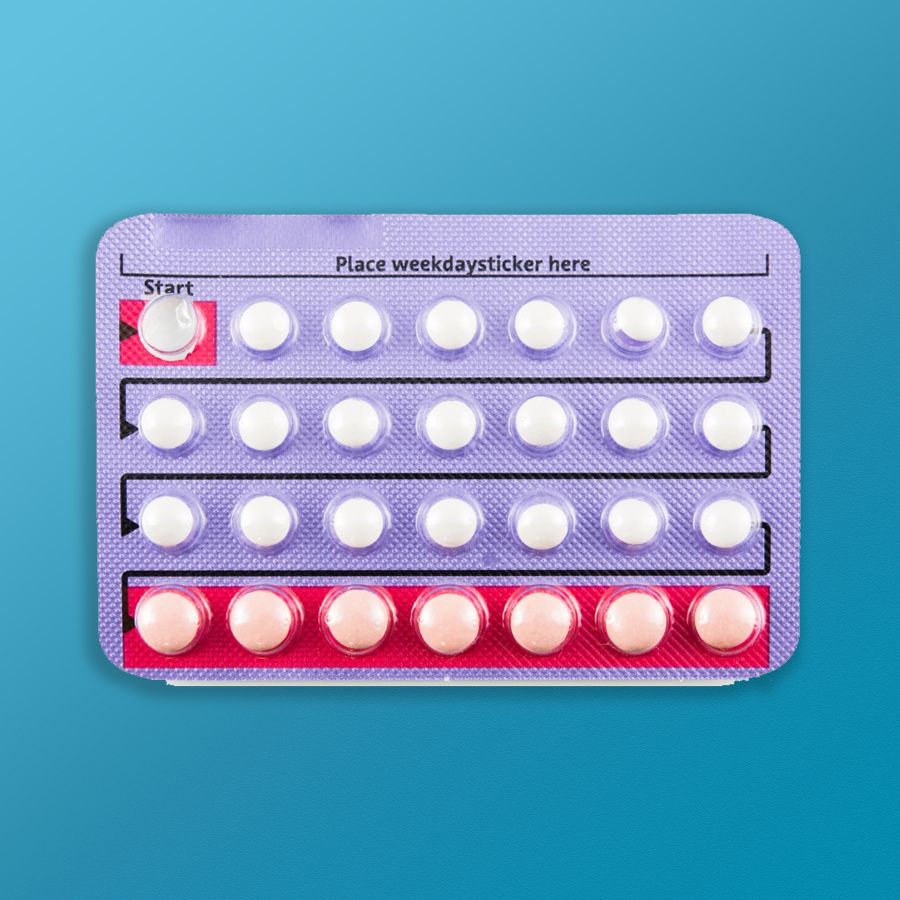
Each pill packet starts with active pills that have hormones. Depending on the pill brand, there may be 21, 24, 28, or 84 active pills.
At the end of the pill packet, there are inactive pills that have no hormones. They will be a different color than the active pills. They are also called "sugar pills".
The pill works best if you take it every day. It only matters if you take the active hormone pills. It is ok if you skip the sugar pills. If you do skip the sugar pills, make sure to start the active pills in a new packet on time!
For the first few months, it is common to have some spotting and irregular bleeding. After this, the bleeding gets lighter and more regular.
The active pills release hormones that keep the blood lining of the uterus thin. After you finish the active pills, the hormones drop and cause the uterine lining to shed. This is called a withdrawal bleed.
Some people want to skip the withdrawal bleed for one or more cycles. We call this No Bleed Months. This is very safe. No Bleed Months can improve conditions that get worse with periods like migraines, anemia, or mood problems.
The pill does not affect your future chance of getting pregnant.
The pill can improve acne, bad periods, premenstrual symptoms, and ovarian cysts.
The pill lowers the chance of getting uterine cancer and ovarian cancer.
The pill can help menstrual migraines and anemia.
The pill can treat hot flashes in early menopause.
When you first start the pill, you can have nausea, breast tenderness, and irregular bleeding. These are annoying but not serious. They usually go away after 1-3 months.
Some people worry that the pill will affect their weight, mood, or sex drive. Studies do not link the pill with these side effects.
If you ever have concerns about side effects, you should tell your health care provider. Your concerns should be taken seriously.
Beyond the breast cancer concerns discussed in the section "Special considerations for breast cancer survivors and thrivers," the pill is very safe. In fact, pregnancy carries a higher risk of health problems than the pill does.
Rarely, the pill has been linked to cases of blood clot, stroke, heart attack, or liver tumor. The chance of a serious event like this is about 5 out of 10,000 people over a year. This chance goes up if you have other risk factors, such as smoking.
No. However, correct use of condoms can prevent HIV and STIs.
You can get a prescription from your health care provider and then pick up the pills at a pharmacy.
There are also online birth control services. A licensed health care provider will review your health history. The pill packets can then be mailed to you.
Pills can cost up to $50 a month. If your insurance covers the pill, you may pay $0-$20. Generic pills cost less and work just as well as brand name pills.